10 Minutes of Rest: Why It Matters and How to Find It
I’ve been thinking a lot about rest lately. Not the big, dreamy kind of rest I often picture long weekends away, spa days, disappearing into a book for hours (though those sound lovely). I mean the kind of rest that slips between the cracks of a busy day. The kind that fits inside ten minutes. The kind that is perhaps more realistic for me and perhaps you to find within the day itself.
Lately, my days have felt full. My housemates just welcomed a new baby boy into the world, and the house’s rhythm is full of tiny onsies, feeding bottles, and soft cries. It’s beautiful, and also exhausting. There’s something deeply grounding about supporting new life, and yet I notice in myself a tendency to keep going, keep doing, keep caring, which is needed. But I wonder if there is space to bring in pockets of rest.
A few days ago, after hanging out the laundry and responding to a flurry of emails, I found myself standing in the kitchen holding my cup of tea. For a moment, I just stopped, and I thought: This is it. This is rest. It’s not a holiday. It’s not even an hour. It’s just a moment, it’s just me and this tea while it sits warm in my hands.
How often do we let ourselves have that?
How often do we take an intentional pause?
What is it about rest
We live in a culture that celebrates productivity. Busy becomes a badge of honour. Rest is framed as a reward, something we “earn” by ticking off enough tasks. But rest is not a luxury. It’s a biological need, a spiritual practice, and if we let it rest is an act of quiet rebellion. A few years back, I read a great book ‘How to do nothing’ by Jenny Odell, and I am reminded about the rose garden she wrote about in that book, taking time to sit in it. A moment to pause.
Rest does not make you less. It makes you more whole.
I come back to these words by Judith Hanson Lasater often:
“Taking time out each day to relax and renew is essential to living well.”
It sounds simple, doesn’t it? But the truth is, rest takes courage. It asks us to pause in a world that moves at speed, when often everything around us is screaming ‘go faster’ ‘do more’.
And here’s the thing: rest isn’t just sleep. Though sleep is important, there are so many kinds of rest our bodies, our minds, and, for me personally, my heart crave.
There are many kinds of rest?
Many people have written about rest, and there are a few different ways to think about it, but here are seven types of rest that stand out to me as places to think about when trying to bring more rest into your life. If you wanted to you could write down what these types of rest look like to you and use it as a handy guide for yourself.
Physical Rest Perhaps the most obvious one in the list, or the one we think of first. Physical rest can be passive (like sleep or lying in Savasana) or active (gentle stretching, restorative yoga, massage). If your body feels achy, tense, or heavy, you might need this kind of rest.
I notice I crave physical rest after a long day of teaching or cycling across Oxford with mats for classes. For me, it looks like legs up the wall, a warm bath, moving gently on my mat, or curling up with a blanket. What does it look like for you?
Mental Rest The second thing I think of is mental rest, a rest away from those moments where the brain is running a million miles an hour. When there are problems to solve, decisions to make and too much to plan. Hello, mental fatigue.
I notice I need mental rest after a long day on my laptop, trying to problem solve why my website has stopped working. For me 10 minutes of focused breathing, or a walk without my phone, to try and give me some space. A dear friend Becky, put me onto the walk idea. Head on out without the phone and perhaps by the end of the walk, after all that nature, the thoughts might have slowed down.
Sensory Rest Speaking of laptops and phones, bright screens, scrolling. All that constant stimulation. Sensory overload can leave us feeling frazzled and tiered.
I notice this when I get toward the evening. For me, sensory rest means no screens, turning off notifications, or even if it’s possible, turning off the phone. Dimming the lights or some nice mood lighting. A quiet space. Less stimulation. Or closing my eyes.
Creative Rest This one surprised me when I first read about it. Creative rest isn’t about “being creative” but about restoring the well of inspiration. It’s about pausing from output and allowing beauty to pour in.
Think wandering through nature, visiting an art gallery, or even sitting with a cup of tea by the window, watching how the light changes. It’s a quiet reminder that the world is full of colour and wonder without having to do anything.
Emotional Rest Oh this is a big one for me. Emotional rest is about being honest, not having to show up and say ;everything is fine’, where you can exist just as you are, no expectations.
Perhaps this is taking some time for reflective journaling. Or speaking to a friend who is able to hold space for you without offering you ways to fix. Or simply being honest with your answers to how are you today.
Social Rest Do you know that feeling of needing to be alone for a moment, maybe a social event is feeling draining, or you are what I think of as low social spoons.
Social rest doesn’t have to mean being alone. It might be that you take time to be with the people that fill your cup, or that have a gentle grounding energy. Or the social spaces where there are less expectations to entertain, maybe its a quite reading group (like RILLS in Oxford), or just silence with friends. Or perhaps for you it does mean taking time to be alone for a moment of time.
Spiritual Rest You might think you don’t need this, but what if we think of spiritual rest as connectedness. As a reminder that we are all connected to each other, and to nature. What if taking time for meditation, or time in nature, for prayer, or for simply gazing at the starts might brng us spiritual rest. The reminder that you belong.
Perhaps ask yourself:
What am I feeling tiered of, or what kind or tiered am I?
What kind of rest do I need right now?
And perhaps it is a combination of things.
10 Ways to Find 10 Minutes of Rest
Here’s the thing. I know your days are full. Mine are too. But I’ve learned that even ten minutes can change the texture of a day. Here are some ways I’ve been experimenting with lately and perhaps you want to try a few too.
- Legs up the Wall
If I had to choose one pose for deep rest in little time, this would be it (or constructive rest). Slide your hips toward a wall, legs up, maybe a folded blanket under your hips for comfort. Close your eyes. Feel the weight fall away. Ten minutes here can sometimes feel like an entire nap, or at least just take a moment off your feet. - Constructive Rest
The other pose I would choose is constructive rest. 10 minutes for your psoas to perhaps find a little relief. Lying on your back, soles of the feet on the floor, knees leaning towards each other until they rest in a place where they feel weightless.
- Tea Meditation
You know how much I love tea, or if you don’t, then know I love it. My mini ritual with tea = Make it slowly and mindfully. Hold it in your hands. Notice the warmth, the scent, the way steam curls into the air. Drink it slowly, almost as if it’s the first time you’ve ever tasted tea. Notice its taste, it texture, and allow yourself to be fully immersed in the cup. - Pranayama or Breath practice
Sometimes rest is as simple as breath. You might have a favourite breath practice or Pranayama. I like to mix it up between box breath, triangle breath, and this one that I have recoded here the Physiological sigh. - Time Journalling
If you have your favourite journaling practice, you might go there. Or perhaps it's a few notes from the day. Or the question How am I today? And what do I need? Maybe there is no answer, or perhaps your pen leads the way. - Yoga Nidra
I don’t have any Nidra recordings myself, but there is a wonderful library of them that can be found here, from the Yoga Nidra Network. Ten minutes of Nidra can feel like hours of rest. - Sensory Pause
Turn down the lights, put your phone in another room, and sit in silence. No input. Just space. - Hand on Heart Pause
Place one hand on your heart, the other on your belly. Breathe. Feel your body’s quiet rhythms. Tune into yourself and pause here for a while. I often do this when I feel emotional overwhelm. - Gentle Movement - hello yoga
Not everything needs stillness. Sometimes rest comes from moving slowly a few catcows, a seated twist, a soft fold forward. Move for the joy of it. I have several recorded gentle yoga classes, here is one of them. - Time in nature
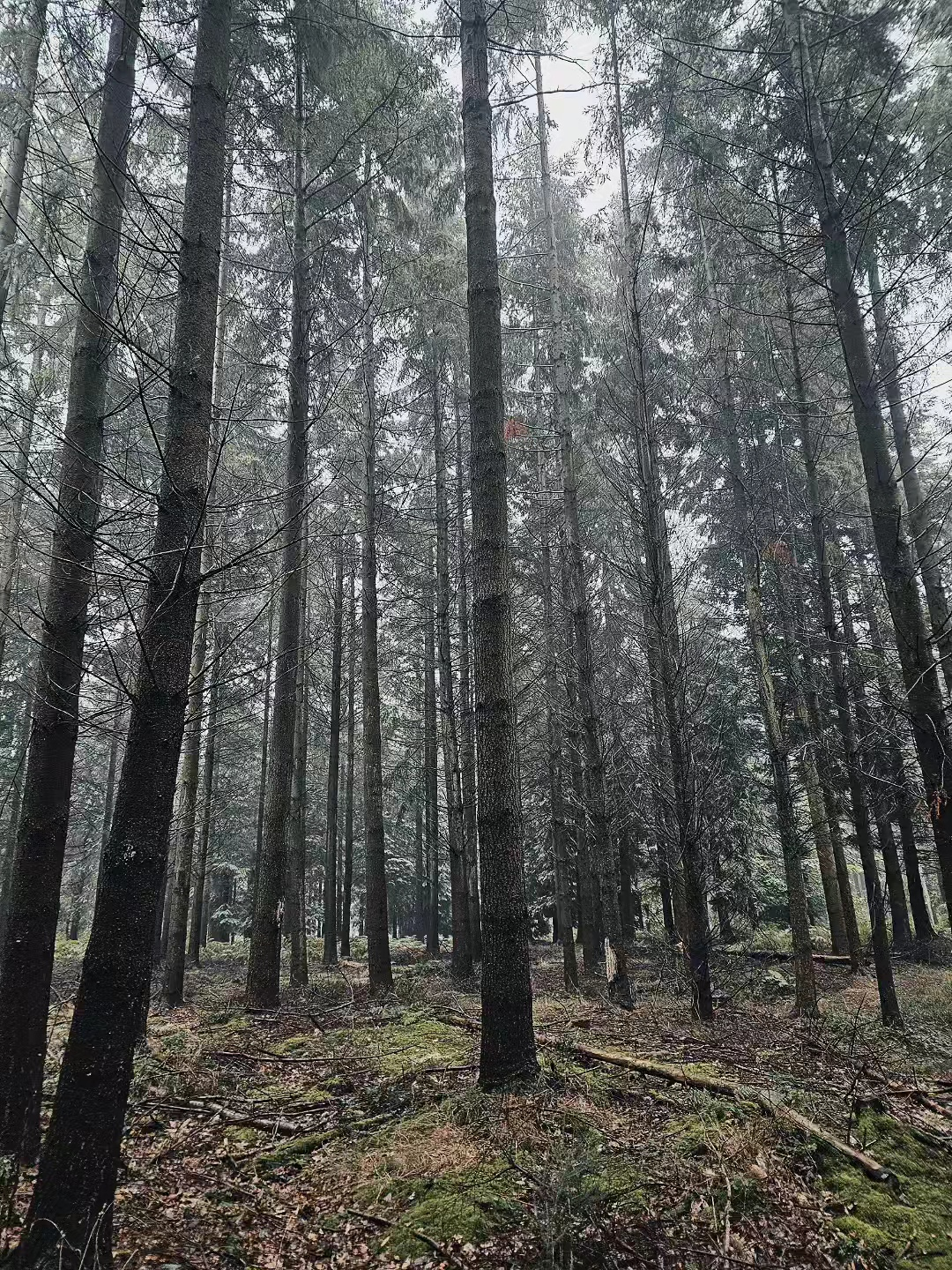
Even if it’s just your local park. Notice the air on your skin. The sound of birds or trees. Notice the colours, the textures. Let the world hold you for a moment.
None of these are that complicated, and all of these are free. But they are profound in their simplicity. And the more I weave them into my days, the more I feel…human. Softened. Present.
I’d love to know: What does rest look like for you right now? Could you find ten minutes for yourself today?
With love,
Katie